
How to Treat Dark Spots and Hyperpigmentation in New Jersey

Understanding what causes skin discoloration is the first step toward choosing the right treatment and achieving long-lasting results.
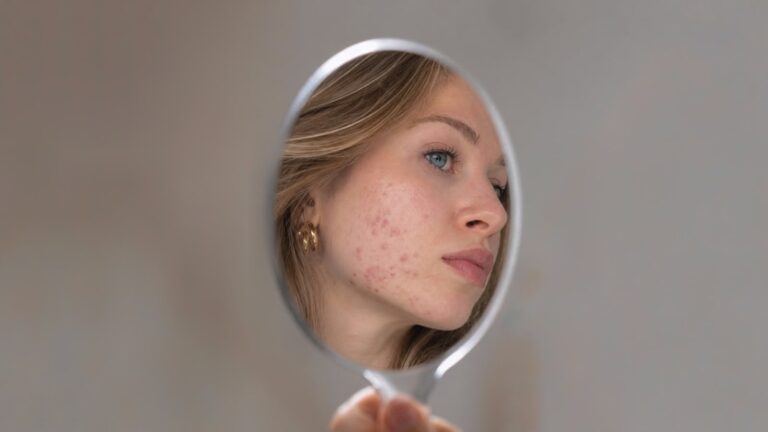
Have you ever looked in the mirror and noticed a dark spot that wasn’t there before? Maybe it appeared after a summer spent outdoors, lingered long after an acne breakout healed, or slowly became more noticeable over the years.
For many people, changes in skin tone happen so gradually that they often go unnoticed until they compare older photos or realize their makeup no longer covers the discoloration as easily as it once did.
Although dark spots are one of the most common skin concerns among adults, they are also one of the most misunderstood. Many people assume every area of pigmentation is caused by sun damage, while others invest in over-the-counter products hoping for quick results. In reality, hyperpigmentation can develop for many different reasons, and the most effective treatment depends on identifying what caused it in the first place.
At Choice Dermatology, we believe healthy skin begins with an accurate diagnosis, not a one-size-fits-all solution. For more than 14 years, our team has helped patients throughout New Jersey improve uneven skin tone using personalized treatment plans that combine advanced technology, physician-guided care, and medical-grade skincare.
Whether you’re concerned about melasma, sun spots, acne marks, or discoloration that appeared after an injury or cosmetic procedure, understanding your skin is the first step toward restoring a brighter, more even complexion.
What Is Hyperpigmentation?
Hyperpigmentation is a common skin condition that occurs when certain areas of the skin produce more melanin than normal. Melanin is the natural pigment responsible for the color of your skin, hair, and eyes. When its production becomes uneven, darker patches or spots can develop.
While hyperpigmentation is not usually harmful, it can affect people of all ages and skin tones. Some forms appear gradually over many years, while others develop after inflammation, hormonal changes, or even a single period of excessive sun exposure.
One of the biggest misconceptions about dark spots is that they are all the same. In reality, two areas of discoloration may look similar but have completely different causes. This is why professional evaluation is so important. Treating the wrong type of pigmentation with the wrong approach may delay improvement or, in some cases, make the discoloration more noticeable.
The Most Common Types of Dark Spots
Understanding the type of pigmentation affecting your skin helps determine which treatments are most likely to produce safe, natural-looking results.
Sun Spots
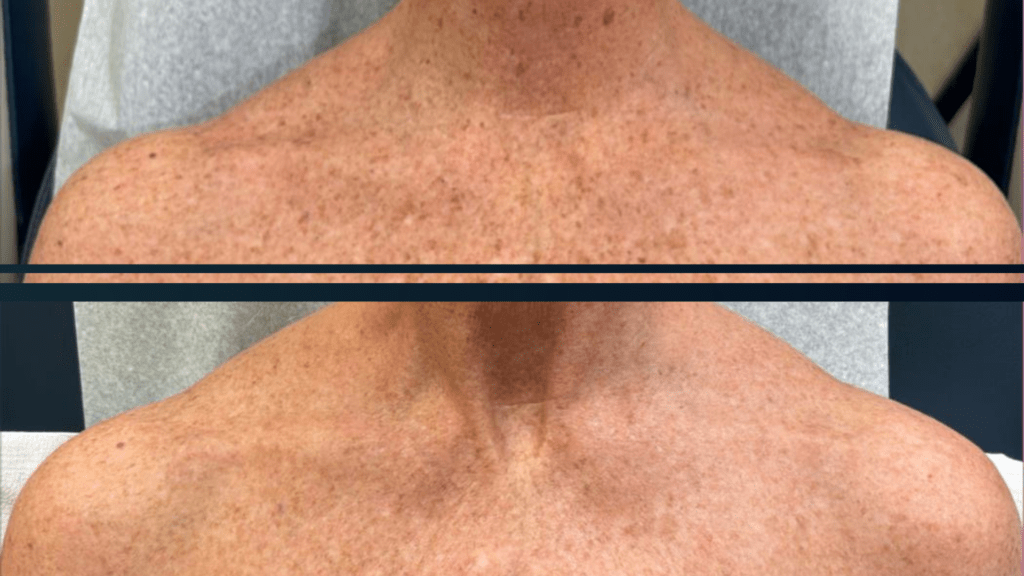
Also known as solar lentigines or age spots, these flat brown spots develop after years of cumulative ultraviolet (UV) exposure. They most commonly appear on areas that receive frequent sun exposure, including the face, chest, shoulders, forearms, and hands.
Unlike freckles, sun spots typically do not fade on their own. As additional UV damage accumulates over time, they often become darker and more numerous without proper sun protection.
Melasma
Melasma appears as larger patches of discoloration rather than individual spots. It most often affects the cheeks, forehead, upper lip, and chin.
Hormonal fluctuations, genetics, pregnancy, certain medications, and sun exposure can all contribute to its development. Because melasma has multiple triggers, successful treatment often requires a comprehensive approach that combines professional procedures with carefully selected skincare products and consistent sun protection.
Acne Marks
Even after acne has cleared, inflammation can leave behind areas of discoloration that persist for weeks or even months. These marks may appear brown, gray, red, or purple depending on skin tone and the depth of the inflammation.
Treating the remaining pigmentation while also preventing future breakouts helps restore a smoother, more even complexion over time.
Post-Inflammatory Hyperpigmentation (PIH)
Post-inflammatory hyperpigmentation develops after the skin experiences irritation or injury. Common triggers include eczema, burns, insect bites, cosmetic procedures, allergic reactions, and inflammatory skin conditions.
Although PIH often fades gradually, professional treatment may help accelerate improvement while reducing the risk of persistent discoloration.
Why Every Patient Needs a Personalized Treatment Plan
There is no single treatment that works for every type of pigmentation.
What produces excellent results for one patient may be ineffective—or even inappropriate—for another. Factors such as your skin type, medical history, lifestyle, previous treatments, and the cause of your pigmentation all influence which approach is most likely to deliver safe, lasting improvement.
At Choice Dermatology, every treatment begins with a comprehensive skin evaluation. Rather than focusing only on what is visible at the surface, we evaluate the underlying cause of the discoloration before recommending treatment.
This individualized approach allows us to create a plan that is tailored specifically to your skin instead of relying on a generic solution.
Treatment Options for Hyperpigmentation
Because every patient’s skin is different, treatment often involves combining multiple approaches to achieve the best possible outcome.
Laser Treatments
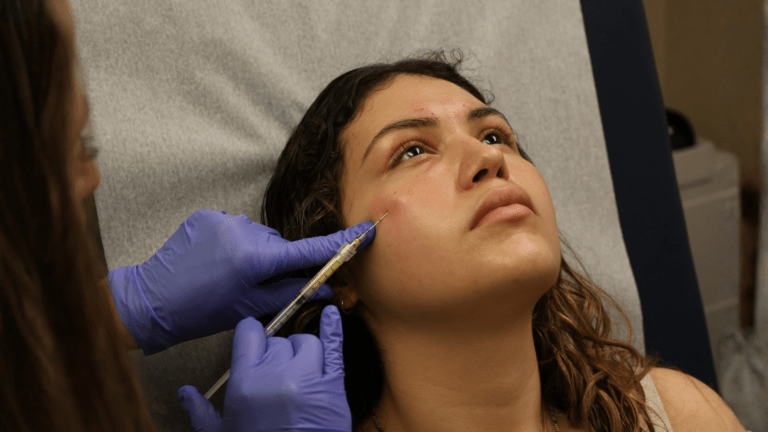
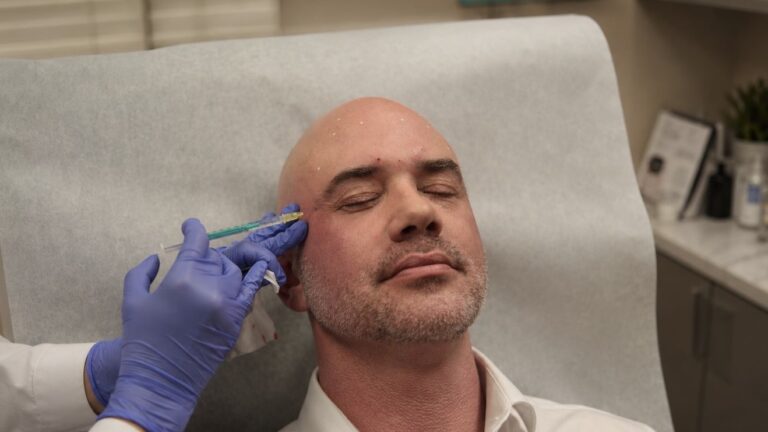
Laser technology can precisely target unwanted pigment while leaving the surrounding skin largely unaffected. Depending on the type and depth of pigmentation, different laser technologies may be recommended to gradually improve discoloration while preserving your skin’s natural appearance.
Laser treatments are often an excellent option for sun spots and certain types of post-inflammatory pigmentation. However, not every patient with melasma is a candidate for aggressive laser treatment, which is why an accurate diagnosis is so important.
Chemical Peels
Professional chemical peels help accelerate skin cell turnover by removing damaged surface cells and encouraging healthy new skin to emerge.
Depending on the formulation selected, chemical peels may improve uneven skin tone, brighten dull skin, soften superficial pigmentation, and enhance overall skin texture.
Because treatments can be customized for different skin types and concerns, they are often incorporated into comprehensive pigmentation treatment plans.
Medical-Grade Skincare
Professional skincare products do much more than moisturize the skin.
Certain physician-recommended ingredients help regulate melanin production, reduce inflammation, support healthy skin renewal, and improve the effectiveness of in-office procedures.
A consistent skincare routine also plays an essential role in maintaining results after professional treatment.
Combination Treatments
In many cases, the most successful results come from combining multiple therapies rather than relying on a single procedure.
For example, a patient may benefit from professional laser treatments while also using physician-recommended skincare products at home. Others may combine chemical peels with topical prescription therapies to gradually improve stubborn pigmentation.
Your provider will recommend the combination that best fits your skin, lifestyle, and treatment goals.
What Results Can You Expect?
One of the questions patients ask most often is, “How long will it take before I see improvement?”
The answer depends on the type of pigmentation being treated.
Some superficial sun spots may begin improving after only one or two treatments, while melasma and deeper pigmentation typically require a more gradual approach. Because pigment often develops over many months or years, meaningful improvement also takes time.
Our goal is not simply to create temporary improvement, but to achieve healthy, natural-looking results that can be maintained over the long term with appropriate skincare and sun protection.
Before & After
Protecting Your Skin After Treatment
Treating existing pigmentation is only part of the journey. Maintaining your results requires protecting your skin from the factors that can trigger new discoloration.
Daily sun protection is one of the most important habits for anyone concerned about hyperpigmentation. Even brief exposure to ultraviolet light can stimulate melanin production, especially in skin that has already been treated.
Applying a broad-spectrum sunscreen every morning, wearing protective clothing when spending extended time outdoors, and reapplying sunscreen throughout the day can significantly reduce the risk of developing new dark spots.
A personalized skincare routine also plays an important role. Medical-grade products recommended by your provider can help support healthy skin renewal while protecting your results between office visits.
Small daily habits often have the greatest long-term impact. Protecting your skin consistently is one of the best ways to maintain a brighter, more even complexion for years to come.
When Should You See a Dermatologist?
While many dark spots are harmless, not every area of pigmentation should be treated without first understanding what caused it.
If you notice a new spot that changes rapidly, pigmentation that continues to darken, or discoloration that does not improve despite using skincare products, it is worth scheduling a professional evaluation.
Many patients spend months—or even years—trying different creams before discovering that their skin requires a completely different approach. An accurate diagnosis can save time, reduce frustration, and help you achieve better results with treatments that are appropriate for your skin.
Frequently Asked Questions
Will my dark spots disappear on their own?
Some forms of pigmentation gradually fade over time, particularly post-inflammatory marks. Others, such as sun spots and melasma, often persist or become more noticeable without treatment.
Is every dark spot caused by sun damage?
No. Although ultraviolet exposure is a major contributor, hormonal changes, acne, inflammation, genetics, medications, and skin injuries can all lead to hyperpigmentation.
Are over-the-counter products enough?
Some products may help brighten mild discoloration, but more persistent pigmentation often requires professional evaluation and a personalized treatment plan to achieve meaningful improvement.
How many treatments will I need?
Every patient is different. Some concerns respond after only a few sessions, while others improve more gradually over several months. During your consultation, your provider will recommend a treatment plan based on your skin type, diagnosis, and goals.
Will the pigmentation come back?
Successful treatment can significantly improve many forms of hyperpigmentation, but maintaining your results depends on protecting your skin and following your recommended skincare routine. Conditions such as melasma may require ongoing maintenance because their underlying triggers can remain active.
Your Skin Deserves More Than a One-Size-Fits-All Solution.
Dark spots may look similar on the surface, but the causes behind them can be very different. Understanding why pigmentation developed is the foundation of creating a treatment plan that delivers safe, natural-looking, and long-lasting results.
At Choice Dermatology, every patient receives an individualized evaluation because we believe effective treatment begins with listening, understanding your concerns, and developing a plan tailored specifically to your skin.
Whether your goal is to improve sun spots, melasma, acne marks, or post-inflammatory hyperpigmentation, our experienced team is here to help you achieve healthier, more even-looking skin with treatments designed around your unique needs.
Schedule your consultation today to learn which treatment options are right for you and take the first step toward restoring a brighter, healthier complexion.
Medically reviewed by Marc Meulener, MD, PhD, Board-Certified Dermatologist and founder of Choice Dermatology.
Ready to feel confident in your skin?
Book a consultation with our board-certified team and get a personalized treatment plan.
Book Your Appointment